Why Productisation Isn’t a Box. It’s a Backbone.

Most agencies flinch when they hear the word productisation. It sounds like someone’s about to force their work into a neat little package with a bow on top. A fixed scope, a shiny cover, a rigid process. Something that takes the soul out of the work.
But productisation, when you look at what actually happens inside agencies, is much simpler. And far more useful. It’s not a box. It’s a backbone. It’s the quiet structure that helps teams deliver good work consistently, even when everything else feels chaotic.
And the more I talk with teams, the more obvious it becomes. Agencies aren’t struggling because their work is bespoke. They’re struggling because even the repeatable parts are reinvented every time. That’s exactly where productisation helps.
Agencies think they’re being creative. They’re often being inconsistent.
Creativity is precious. But a lot of the chaos inside agencies isn’t creativity. It’s just lack of reuse.
Teams rewrite the same proposal bits. They rebuild the same onboarding steps. They re-teach the same ways of working to every new starter. They deliver the same service in slightly different ways depending on who happens to be on the project.
None of this makes the work better. It just makes it harder.
This is where productisation becomes a tactic rather than a transformation programme. Not a new operating model. Not a big announcement. Just a clearer, calmer way of doing the things you already do.
The real value isn’t the product. It’s the shared language.
When you strip away the buzzwords, productisation is simply deciding: this is the way we normally do this, and here’s the language we’ll use when we talk about it.
That alone eliminates huge amounts of friction. It’s the same friction you’ll recognise from other articles on this site. Teams trying to be agile without shared expectations. Projects stumbling because people assume different definitions of done. Meetings derailed because no one knows which decisions actually matter.
A bit of shared language works like oil in the machine. It isn’t glamorous. But it keeps everything moving.
Make the repeatable parts repeatable. Leave the bespoke bits to shine.
This is the fear teams have. That productisation makes everything uniform. But the opposite happens.
By making onboarding, discovery, estimation and briefing predictable, you create more room for the imaginative work to breathe. You’re not wasting creative energy on admin. Your team gets to spend more time on the work that actually needs creative problem solving, not on redoing the scaffolding around it.
Agencies that get this right see two things quickly. Teams become more confident in their delivery. Clients feel more confident in the agency. And confidence is currency.
You don’t need a product. You need a backbone.
Every agency already has repeatable parts. They’re just undocumented, inconsistent or locked in the heads of three very tired people.
Productisation is simply the act of noticing these patterns and turning them into something the whole team can rely on. A shared definition of a discovery. A standardised approach to an audit. A reusable narrative for proposals. A clear workflow for getting work from brief to done.
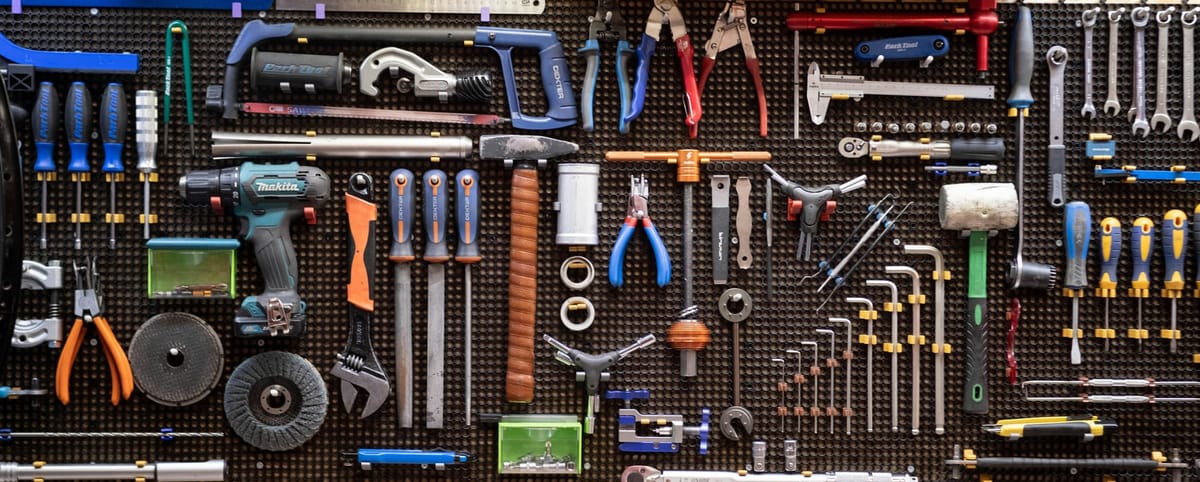
Once these are in place, you’re not forcing creativity into a box. You’re giving the work a backbone that supports everything else.
Where to start this week
Not a project. Not a rollout. Just a habit.
Pick one thing your team does often. Write the steps down together. Give it a name. Try it on the next piece of work. Adjust it in your next retrospective.
Do this a few times and suddenly you’re not productising services. You’re productising your thinking. Your approach. Your way of working. And that’s the most valuable part.
Summary
Productisation isn’t the future of agencies. It’s already happening everywhere. The choice is whether you shape it intentionally or let the messy version shape you.
A backbone gives your team something solid to stand on so the work itself can be as creative, clever and bespoke as it needs to be.